What Makes Wisdom Teeth Removal in Oxnard CA a Common Procedure?
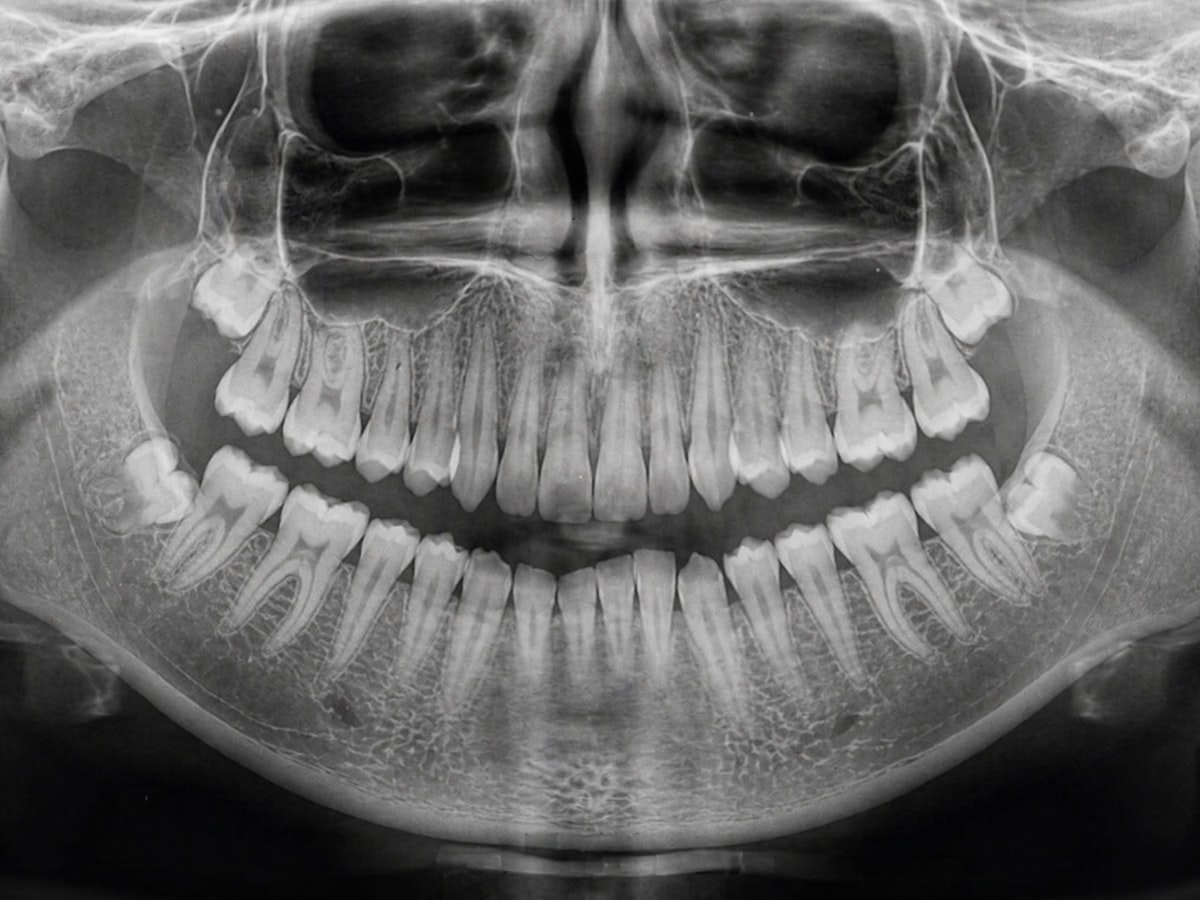
Ask any oral surgeon or general dentist what they see regularly in late adolescence and early adulthood, and wisdom teeth will come up fast. Patients who have never needed more than routine cleanings suddenly hear that four teeth in the back of the mouth may need close monitoring or removal. That can feel abrupt, especially when those teeth are not hurting yet. In practice, though, wisdom teeth removal becomes common for reasons that are practical, anatomical, and preventive.
In communities like Oxnard, the pattern is familiar. Teenagers finishing orthodontic treatment, college students home on break, working adults who finally make time for oral care, and parents trying to stay ahead of future emergencies all end up having the same conversation with a dentist or oral surgeon. The phrase Wisdom Teeth Removal Oxnard CA may sound highly specific, but the reasons behind the procedure are broadly rooted in how the human jaw develops and how third molars behave.
The short answer is simple. Wisdom teeth are the last permanent teeth to erupt, and they often arrive when there is not enough room for them. The longer answer is where things get more interesting, because not every wisdom tooth causes trouble, and not every patient needs the same timing or approach.
Why wisdom teeth become a problem so often
Wisdom teeth, also called third molars, usually develop later than the rest of the adult teeth. By the time they try to emerge, most mouths are already crowded with fully erupted teeth that have settled into place. If there is not enough space in the jaw, these molars may erupt partially, come in at an angle, remain trapped under the gum, or stay embedded in bone.
That timing matters. Earlier teeth have a clearer path and more room to follow their normal eruption pattern. Wisdom teeth are trying to enter a crowded neighborhood. Sometimes they do fine. Quite often, they do not.
A partially erupted wisdom tooth is one of the most common reasons patients end up in a dental chair with pain, swelling, or difficulty chewing. When part of the tooth breaks through but another part stays covered by gum tissue, a flap can form over the area. Food and bacteria collect there easily. It becomes difficult to clean with a toothbrush or floss, and inflammation often follows. Patients describe tenderness behind the last molar, a bad taste, or soreness when opening the mouth. That is not rare. It is textbook.
Impaction is another major factor. An impacted wisdom tooth is one that cannot erupt into a normal position. It may lean forward into the tooth in front of it, angle backward, lie sideways, or remain upright but blocked below the gums. This is where the procedure becomes common, because impacted teeth do not always stay quiet. Even when they are painless now, they can set up conditions that are harder to manage later.
The anatomy behind the recommendation
One point that patients appreciate once it is explained clearly is that the issue is not that wisdom teeth are somehow defective. They are normal teeth. The mismatch is often between the size and shape of the jaw and the amount of space available.
Human jaws vary a great deal. Some patients have room for all four wisdom teeth. Others have room for none. Many fall somewhere in between, with one tooth erupting normally and another becoming impacted. A panoramic X-ray often makes the story obvious. You can see the angle of the teeth, the roots forming, and how close they sit to neighboring teeth, bone, and nerves.
Dentists and oral surgeons are not only asking whether the wisdom teeth exist. They are asking several more useful questions. Are they likely to erupt into a clean, functional position? Can the patient keep them clean long term? Are they already affecting adjacent teeth? Is there a high chance of recurrent infection, decay, gum disease, or cyst formation? Those are the questions that make removal common, not a reflexive desire to take out every third molar on principle.
This is where clinical judgment matters. A 17-year-old with developing roots and clear signs of crowding presents a different situation from a 42-year-old whose wisdom teeth have sat fully buried and symptom free for decades. Both cases are common in practice, but they are not handled the same way.
Why dentists often recommend removal before severe symptoms begin
One of the biggest reasons wisdom teeth removal is so common is that dental professionals try to intervene before the situation turns urgent. Waiting for severe pain can create more difficulty, not less.
When a wisdom tooth repeatedly traps bacteria under the gum, the patient may cycle through flare-ups. The first episode might seem minor. The third or fourth rarely feels minor. Swelling in the back of the jaw can interfere with eating and sleeping, and it tends to appear at inconvenient times, such as before travel, during exams, or over a holiday weekend.
Preventive removal is often recommended because recovery is generally more predictable in younger patients. Roots are usually less fully formed in the late teens and early twenties, bone tends to be less dense, and healing can be smoother. That does not mean older adults cannot do well. They often do. It means that the balance of risk and benefit may favor earlier treatment in many cases.
There is also the issue of damage to the second molars, the teeth directly in front of the wisdom teeth. This is something patients rarely notice on their own. A wisdom tooth angled into the neighboring molar can create a trap for plaque and bacteria between the two teeth. Over time, that can contribute to decay, gum pocketing, and even root damage. I have seen patients who felt no pain from the wisdom tooth itself but ended up needing treatment on the healthy tooth next to it because the area had become impossible to maintain.
What makes the procedure routine, not casual
A common procedure is not the same as a trivial one. Wisdom teeth removal is common because oral surgeons and many dentists perform it regularly, with established techniques, imaging, anesthesia options, and recovery protocols. Patients should take that as reassurance, not as a signal to brush off proper evaluation.
The procedure has become routine because the problem presents routinely. The anatomy is well understood. The decision pathways are familiar. Providers know what to look for on exam and imaging. They know which patients are good candidates for simple extraction and which ones need surgical removal. They know how to plan around root position, sinus proximity in the upper jaw, and nerve location in the lower jaw.
That level of familiarity matters in a place like Oxnard, where families often seek care on a practical schedule. High school students may come in during summer. College students may arrange removal over winter break. Adults with demanding jobs may prefer a brief, planned recovery over a surprise dental infection that derails a workweek. A common procedure fits real life because it can often be timed sensibly instead of handled in crisis mode.
The role of age and timing
There is a reason wisdom teeth conversations often happen during the teenage years. Around that stage, X-rays can show whether the third molars are likely to become a problem. Not every 16-year-old needs surgery right away, but many benefit from evaluation while the roots are still developing.
Timing recommendations are not arbitrary. If a wisdom tooth is clearly impacted and unlikely to erupt into a useful position, removing it before the roots fully mature can make the process simpler. If the tooth appears likely to erupt normally and remain cleanable, monitoring may be reasonable. The challenge is that many borderline cases do not become clearer until more growth occurs.
Parents often ask whether braces caused the need for wisdom teeth removal. Usually, the answer is no. Orthodontic treatment and wisdom tooth issues often overlap because they happen around the same period of life, not because one directly creates the other. What orthodontists and dentists do care about is preserving the result of a carefully aligned bite and avoiding conditions that could compromise the back teeth or gums.
Symptoms that bring people in, even when they delayed care
Some patients schedule a consultation after years of hearing they might need their wisdom teeth out. Then one weekend the area swells, chewing hurts, or the jaw feels stiff, and the question becomes much more immediate.
The most common complaints tend to cluster around a few patterns:
- Pain or pressure at the back of the mouth
- Swollen or irritated gum tissue around a partially erupted tooth
- Food trapping and bad taste that keeps returning
- Headache or jaw soreness linked to inflammation in the area
- Repeated infections or tenderness that improves, then comes back
These symptoms do not always mean emergency surgery is required that day, but they do signal that the area deserves prompt evaluation. One of the frustrating things about wisdom teeth is how intermittent the trouble can be. A patient may feel miserable for three days, then almost normal again. That temporary improvement can encourage more delay, even though the underlying anatomy has not changed.
Why some wisdom teeth stay and others go
This is where blanket advice breaks down. Not every wisdom tooth needs removal. A fully erupted wisdom tooth that is in proper alignment, does not trap food, has healthy surrounding gum tissue, and can be cleaned effectively may be worth keeping. That is especially true if it contributes to chewing and does not threaten adjacent teeth.
On the other hand, a tooth can be symptom free and still be a poor long-term bet. If it is partially trapped, impossible to brush well, pressing into the second molar, or associated with a deep pocket in the gum, waiting may not be the most conservative choice. Sometimes removing a wisdom tooth is the more conservative move because it protects healthier structures from future damage.
This is one of the reasons patients hear different recommendations from different providers. Not because someone is careless, but because clinical judgment includes weighing current findings, age, risk tolerance, oral hygiene habits, medical history, and access to follow-up care. The best recommendations tend to be specific. They explain not just what is advised, but why now makes sense.
What patients in Oxnard often look for when considering treatment
When people search for Wisdom Teeth Removal Oxnard CA, they are https://brooksofir025.clearminster.com/posts/how-wisdom-teeth-removal-in-oxnard-ca-can-relieve-oral-pressure usually not searching for abstract information. They want practical answers. How complicated is my case? Will I be awake? How many days of recovery should I expect? Can I schedule this around work or school? What if the teeth are not hurting yet?
Those are reasonable concerns. Most consultations cover imaging, the position of the teeth, anesthesia or sedation options, expected recovery, and whether all four teeth need removal at once. In many cases, removing all problematic wisdom teeth in one visit is more efficient than spacing out repeated procedures. In other situations, especially when only one or two teeth are clearly problematic, the plan may be more selective.
Patients also want reassurance about what the procedure actually feels like. During the extraction itself, pain control is the priority. Depending on the case, local anesthesia may be enough, or sedation may be recommended. Afterward, soreness, swelling, and limited jaw opening are common for a few days. Most people care less about textbook terminology and more about when they can eat normally again and return to work, class, or parenting duties.
Recovery is one reason people prefer planned removal
A planned recovery is almost always easier to manage than an unplanned dental crisis. When the procedure is scheduled ahead of time, patients can arrange rides, stock appropriate foods, and clear a couple of lighter days if needed.
The basic recovery advice is familiar because it works:
- Follow the surgeon’s instructions closely during the first 24 to 72 hours
- Protect the blood clot, which means avoiding actions that can dislodge it
- Use cold packs early for swelling, then shift to gentle comfort measures as advised
- Choose soft foods and steady hydration instead of testing the area too soon
- Call the office if pain sharply worsens, bleeding seems excessive, or swelling escalates
The actual experience varies. Some younger patients bounce back quickly and are surprised that the discomfort was manageable. Others, particularly with deeply impacted lower molars, need a longer runway. The important point is that routine does not mean identical. A straightforward upper wisdom tooth and a deeply angled lower impaction are different surgical experiences, even though both fall under the same broad label.
The lower wisdom teeth are often the bigger story
If patients remember one detail from their consultation, it is often that the lower wisdom teeth deserve extra attention. Upper wisdom teeth can still cause problems, but lower third molars are more commonly associated with impaction, gum infections, and concern about proximity to the inferior alveolar nerve.
This is not meant to alarm anyone. It is simply part of why imaging and planning matter. When roots are close to a nerve canal, the provider has to assess the position carefully and discuss risk in a grounded way. Sometimes the recommendation remains straightforward removal. In selected cases, other surgical considerations may come into play. What matters is honest, individualized planning.
A seasoned clinician will not present every case as simple, and will not present every case as high drama either. Most wisdom teeth removals go smoothly. Good communication lies in explaining the likely course while respecting the details that make one mouth different from another.
Why the procedure remains so common year after year
Medicine and dentistry change in many ways, but human jaw anatomy has not suddenly evolved to make third molars trouble free. That is the central reason wisdom teeth removal continues to be common. The procedure answers a persistent biological pattern.
There is also a behavioral reason. People keep their natural teeth longer than previous generations, and they expect to maintain them well into older adulthood. That shifts the focus toward prevention. If a problematic wisdom tooth threatens a healthy second molar, many patients and clinicians prefer to remove the risk rather than gamble on years of intermittent issues.
In day-to-day practice, wisdom teeth sit at the intersection of prevention and symptom relief. Some patients come in because the teeth already hurt. Others come in because the X-ray says trouble is likely. Both paths are valid. What makes the procedure common is that both situations occur frequently, and both often have the same practical endpoint.
A careful recommendation is not a sales pitch
Patients sometimes worry that the suggestion to remove wisdom teeth is automatic. A good consultation should not feel that way. It should feel specific. You should hear whether the teeth are impacted, whether there is evidence of infection or damage, how difficult removal is expected to be, what happens if you wait, and why the provider believes removal or monitoring is the better course.
That level of detail matters because there are trade-offs. Surgery has cost, recovery time, and real, if usually manageable, risks. Keeping questionable wisdom teeth has its own risks, including pain, infection, decay, gum disease, and harm to neighboring teeth. The most professional advice acknowledges both sides.
For many patients in Oxnard, that discussion ends with removal because the anatomy and long-term outlook make the case fairly clear. The procedure is common not because every third molar is doomed, but because enough of them create predictable problems that oral surgeons and dentists deal with them every week.
When you strip away the anxiety that often surrounds the phrase, wisdom teeth removal is usually about preventing a difficult tooth from becoming a bigger issue. That is why it stays so common, why families plan around it, and why the topic comes up so often in routine dental care. The decision may feel personal, but the reasons behind it are grounded in everyday clinical reality.
Oxnard Dentistry
1730 E Gonzales Rd
Oxnard, CA 93036, United States
Phone: +1 805-307-8731
FAQ About Wisdom Teeth Removal Oxnard CA
How much does it cost to get wisdom teeth removed in California?
Fees depend on tooth position, the number of extractions, imaging and anesthesia. Oxnard Dentistry can provide an individual estimate after examining your teeth. Ask for an itemized plan and confirm insurance benefits before scheduling.
Will insurance cover wisdom teeth removal?
Coverage and out-of-pocket costs vary by policy and the treatment required. Ask the dental office and your insurer to verify benefits, annual limits and any authorization requirements. A benefit estimate does not guarantee payment.
Is 30 too old to have wisdom teeth removed?
Age alone does not determine whether extraction is appropriate. A dentist evaluates symptoms, tooth position, oral health and medical history. Healthy, functional wisdom teeth may be monitored; teeth causing disease or other problems may need treatment.